
 Knowledge CenterArticlesHow Travel Fellowships Are Moving the N… How Travel Fellowships …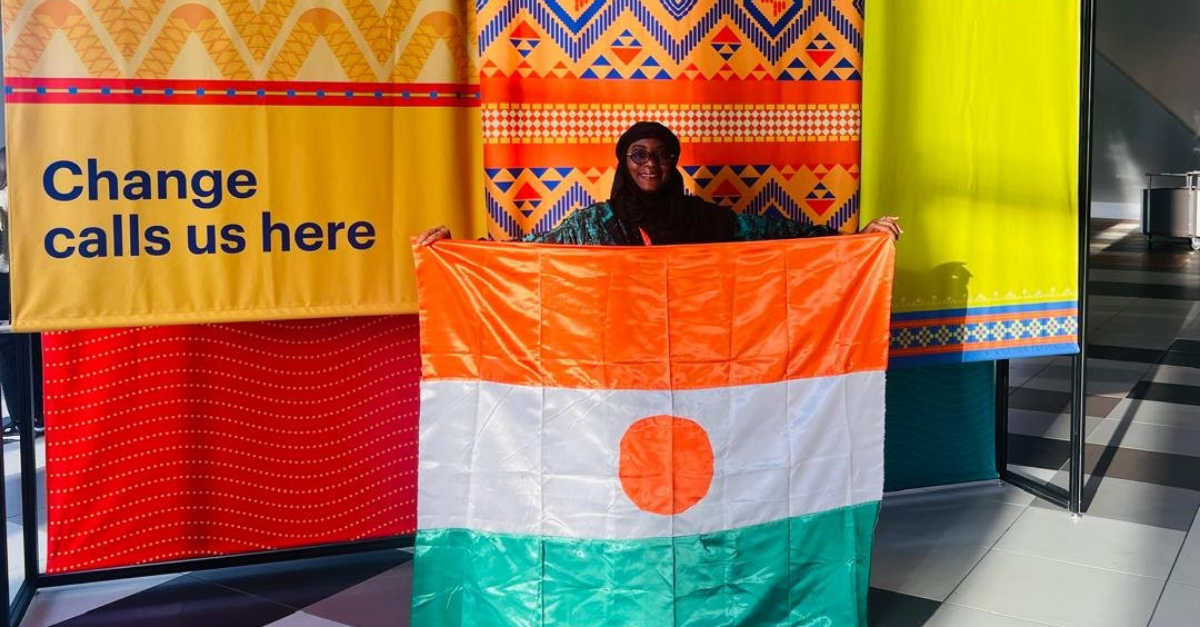
Samiratou Boubacar of GEMS at Women Deliver 2026 in Melbourne, Australia. Photo provided by GEMS.
Climate change is a reproductive health crisis. Extreme weather events destroy health facilities, force displacement, and cut off access to essential services. Vulnerable populations, including women and girls in low- and middle-income countries, bear the greatest burden. And yet, funding and programming at the nexus of climate and women’s health remains deeply fragmented.
The people who understand the funding and programming gaps best are too often left out of the rooms where climate policy and funding decisions are made. Those who know firsthand how communities are adapting and what interventions are most effective face steep barriers to key negotiating rooms. The result: climate adaptation policies, budgets, and programming that exclude specific considerations for women’s health.
The Resilience Fund for Climate and Women's Health's Travel Fellowship Program aims to reduce these barriers. By providing financial support, connections, and mentorship, climate-SRHR (sexual and reproductive health and rights) advocates can actively participate in key global events, from UN climate discussions to international conferences on family planning and maternal health. These events are not just a place to network and learn; they provide an opportunity for frontline communities to have a say in decisions that most affect them.
To date, the Travel Fellowship Program has awarded 23 fellowships and disbursed over $115,000, but the numbers only tell a small part of the story. These fellowships move information in both directions: frontline advocates’ knowledge and experience help inform global frameworks, and those frameworks in turn come home with advocates, which informs local policies, budgets, and programs.
Our travel fellows’ experiences demonstrate the impact that each individual had at the meetings and conferences they attended.

Peter Ngure with colleagues at the International Maternal Neonatal Health Conference 2026 in Nairobi, Kenya. Photo provided by Pathways Policy Institute.
Peter Ngure, Head of Programs at Pathways Policy Institute (PPI) in Kenya, attended the International Maternal Neonatal Health Conference in Nairobi, where he flagged a critical blind spot in the newly launched SUPREME initiative. The $52M investment targeting preeclampsia and anemia hadn't accounted for the well-documented link between extreme heat and increased anemia risk in pregnant women. Peter also pushed for maternal health data systems to incorporate climate risk indicators and for new health facilities in Kenya to be built to climate-resilient standards. "There is [a] need to view SRH/climate resilience linkages from a more localized level," he reflected.
Later in the year, ahead of the Reproductive Health Network Kenya (RHNK) Pan-African Conference, PPI was able to advocate for a new conference sub-theme on adolescents, SRHR, and climate change with the conference organizers. This new sub-theme created a formal space for evidence, research, and policy dialogue, where PPI was able to present evidence from Kenya and Malawi on how climate shocks drive adolescent pregnancy, disrupt contraception and HIV services, and increase women' s and girls’ exposure to violence. The addition of this sub-theme represented an important institutional shift recognizing that climate change is increasingly shaping SRHR outcomes for young people across Africa.
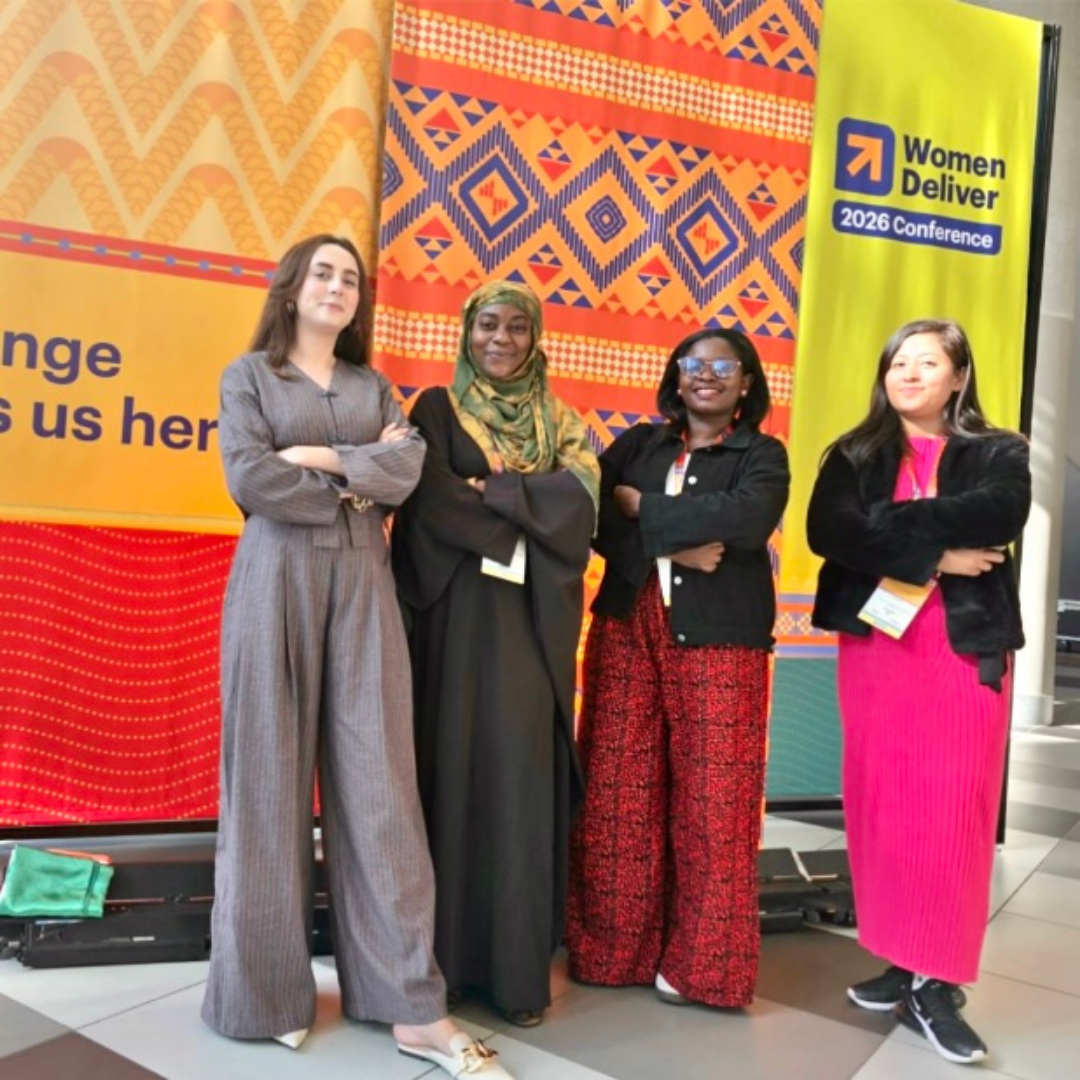
Laraib Abid pictured with colleagues at Women Deliver 2026 in Melbourne, Australia. Photo provided by MASHAL.
Women Deliver (WD) 2026 in Melbourne brought together more than 6,500 delegates from over 170 countries. Samiratou Boubacar of GEMS in Niger gained allies and frameworks to reposition her organization as a frontline climate actor. Hadija Maganga of Her Dreams Initiative in Tanzania built relationships that led to real funding outcomes, securing grants from two funders she met at the conference. Shilpa Lamichhane of Visible Impact in Nepal spoke on a panel, bringing her country’s climate-SRHR realities to a global stage through storytelling and data. And Laraib Abid of MASHAL in Pakistan left with new partnerships and a concrete roadmap for expanding her organization's digital health work.
"Your investment [the travel fellowship]," Abid wrote afterward, "ensured that a grassroots Pakistani activist, policy advocate, and artist working on the frontlines of digital health and climate justice was active in the rooms where global policy is shaped."
Panorama Global believes that travel fellowships provide a powerful tool for strengthening equitable representation at decision making tables. They are essential in ensuring that women’s and young people’s experiences of climate-exacerbated health challenges are not left out of climate adaptation and resilience conversations.
The Resilience Fund provides a trusted vehicle through which funders of any size can target their support to elevate the work of leading advocates globally. When we center leadership of those closest to the issues in key global moments, we can ensure locally grounded expertise informs climate adaptation and resilience policy, budgeting, and programming.
""[The travel fellowship] ensured that a grassroots Pakistani activist, policy advocate, and artist working on the frontlines of digital health and climate justice was active in the rooms where global policy is shaped.""
Join us to build a climate-resilient future.
 Your Vision
 Our Platform
 Real impact
Panorama Global is a member of The Panorama Group.
Privacy Policy © 2026 Panorama Global. All rights reserved.
 Contact Us
 Search
 Join Our Mailing List